Often asked how the idea of turquoise zones came about. Most people think it was a momentary flash of inspiration, a spark that transformed my thinking overnight. But that is not entirely true. The story of the discovery of turquoise zones has much deeper roots and was part of a long, internal process. In fact, it was the result of years of work, insights, seemingly random encounters, and slowly emerging patterns that built on each other until everything finally came together: a color, a map, a discovery that we now call the geography of turquoise zones.
1. Geovision and its antecedents
In March 2023, my two-volume book Geovision – Eurasia and Sustainability was published, summarizing the ideas and studies of previous years and covering topics that had been on my mind for quite some time: geopolitics, urban development, technology, culture and civilization issues, sustainability, the Eurasian transition, connectivity, complexity, climate change, and the question of how geography, history, and weather are connected. I read a lot about blue zones, oases of long life, and wrote about them in my book. Hotspots of biodiversity, green zones, were also among my long-standing topics and obsessions. At that time, they were still treated as separate areas. Separate trains of thought. Separate worlds.
During my international lectures, these topics came together in my mind, but I was still missing that certain common denominator, that grand, overarching organizing principle that provides answers to questions about quality of life, culture, innovation, nature, and the future all at once. Then last year, the moment came when these "separate sources" suddenly came together into a stream.
2. Dubai Knowledge Park – The moment of birth
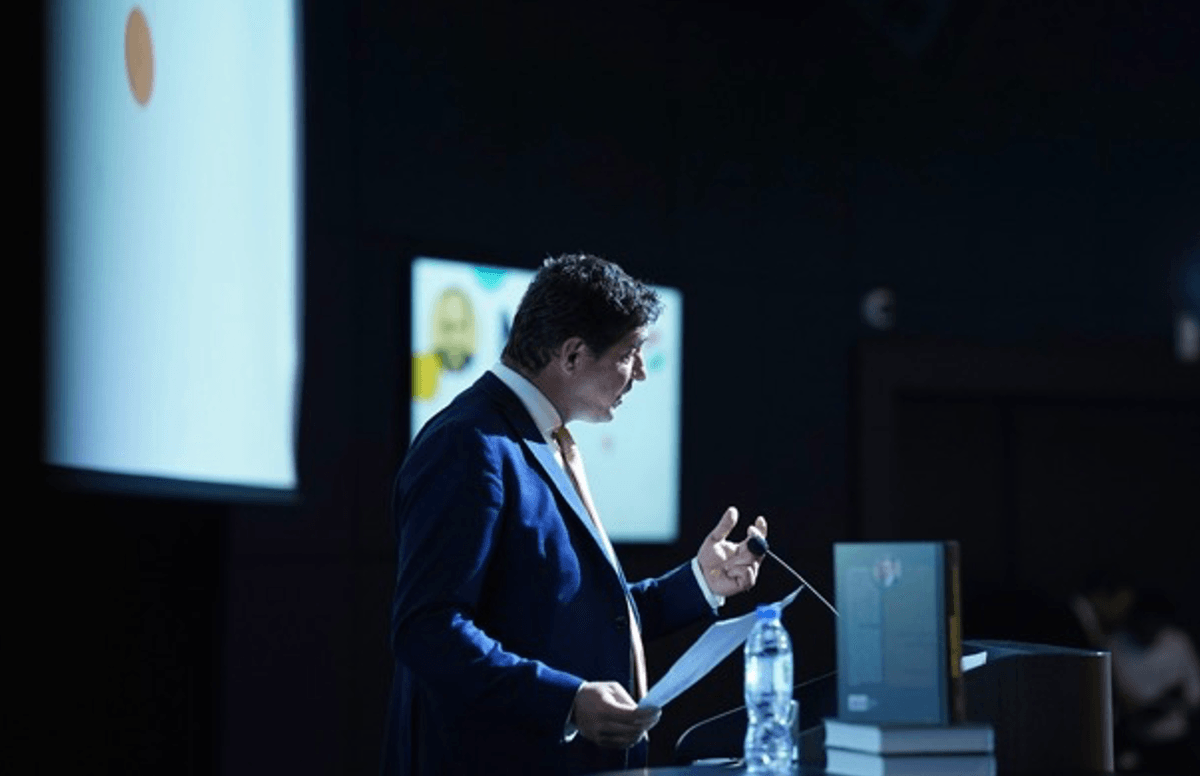
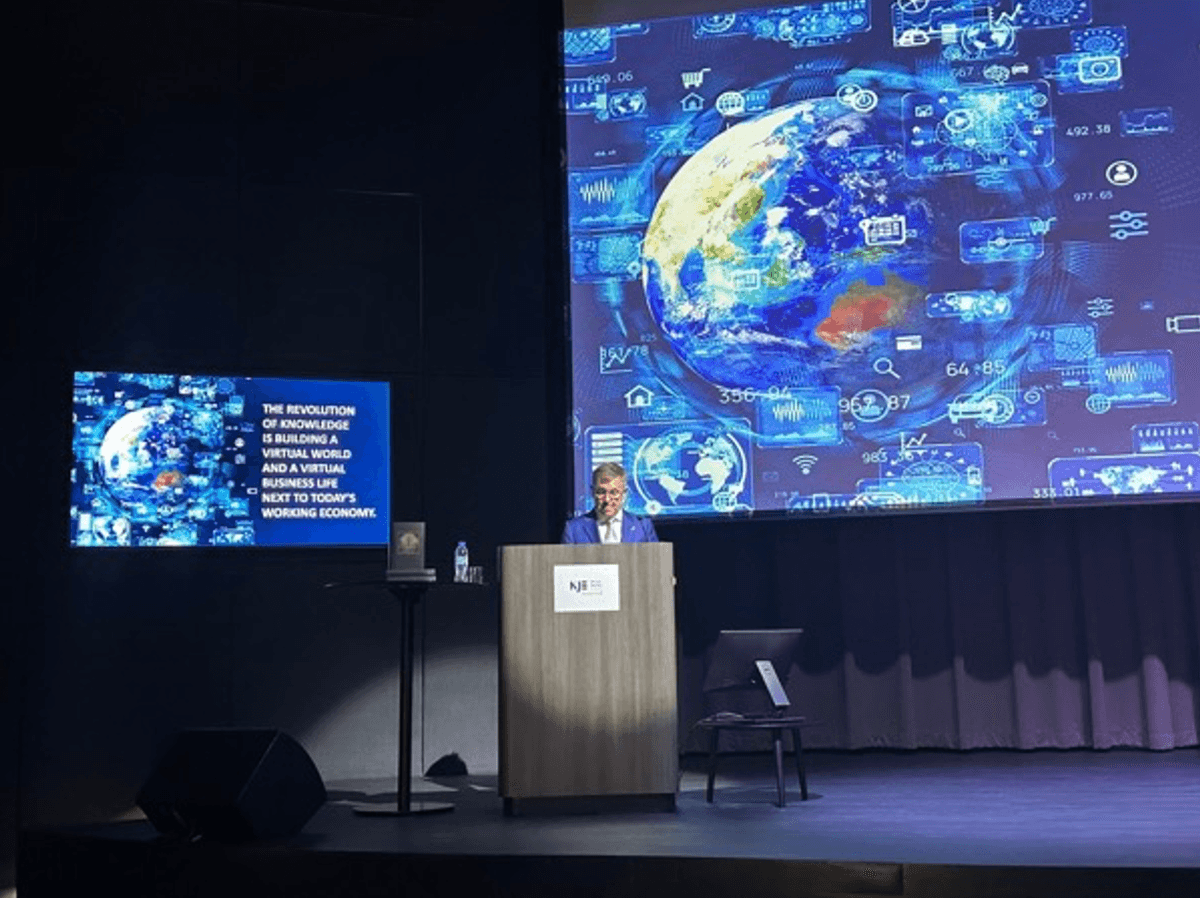
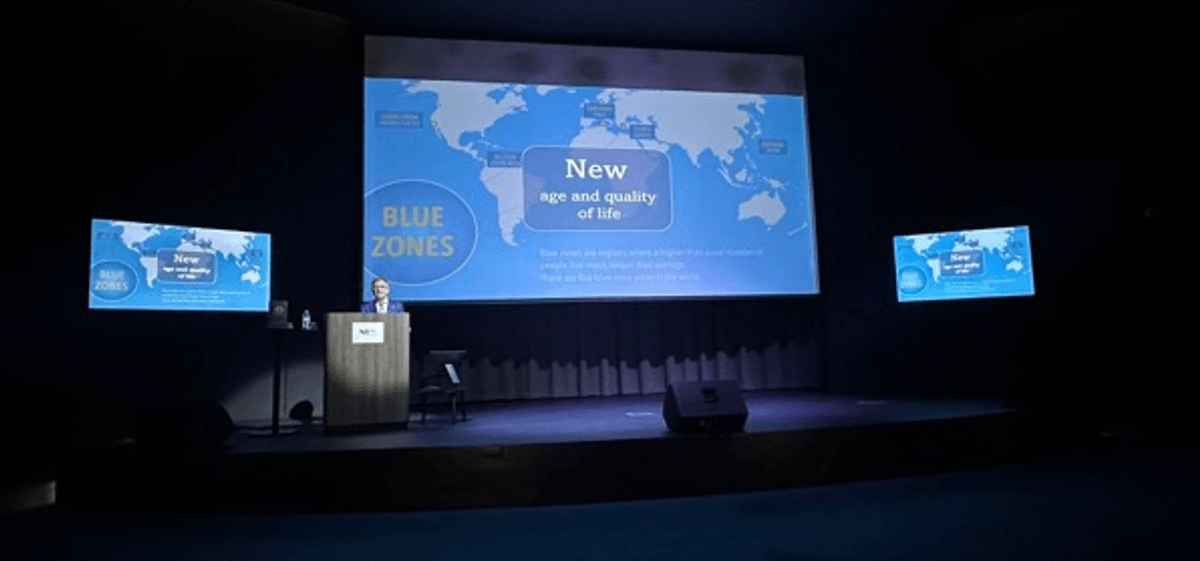
In May 2024, I attended a very exciting book launch at Knowledge Park in Dubai, which also presented megatrends and Hungarian Vision of the future. The place was full of young people, students, researchers, startups, thinkers – the energy of the 21st century vibrated in the air. In the middle of the presentation, two images caught my eye. One showed a DNA spiral, the other depicted the blue zones of our Earth. Both images glowed in turquoise.
I can't quite explain what happened. This seemingly invisible yet strange, ancient and futuristic turquoise color burned into my retina, as if it were carrying a message. I felt a deep inner resonance that I later recognized: this color is more than decoration; it is a key to something that provides complex answers to many questions.
The next morning, I stepped out onto the balcony of my accommodation. The sun had just risen, and the water in the hotel pool had exactly the same shade as the images from the previous day. The same light, the same vibration, the same feeling.
That was the moment when I first asked myself:
What if the blue and green zones are not separate worlds, but two chapters of the same great story? After all, turquoise is a mixture of blue and green.
There, on the balcony, I looked at the water in the pool and then started searching for different world maps on my phone. Where is turquoise mined? What are the geological conditions, how many hours of sunshine are there, where are the livable places? I started looking at innovation centers, linked them to global city competitiveness rankings, added quality of life maps, climate conditions, and finally tectonic boundaries, and suddenly a new pattern began to emerge. I became completely excited and started to list the cities and regions where it is really good to live: where the culture is inspiring, nature is present, technology is developing, the climate is pleasant and balanced, the economy is open, people are creative, and the cuisine is special. Competitiveness was suddenly replaced by livability. What makes a city or region a good place to live?
When I put these places on a map, most of the pattern overlapped with the arc of Earth's major tectonic boundaries. It was as if the energies deep within the Earth—the flow of magma, the "dance" of continents and tectonic plates—shaped not only geological phenomena, but also human cultures, ways of life, and successful cities.
That's when I named them: turquoise zones—centers of good places, regions of inspiring quality of life.
3. The culture of turquoise – an ancient symbol return
I looked to see if this term was or had been used before. I found nothing. The concept was new, pure, and untouched.
Then I began to delve into the cultural history of turquoise. I read historical, archaeological, and cultural books, myths, and studies about the symbolism of turquoise and its meaning. I was shocked by what I found.
Turquoise:
• is formed in sunny, dry regions,
• has always been a stone of protection throughout history,
• the color of reliability, healing, and wisdom,
• in many cultures it was more valuable than gold,
• a symbol of connection and innovation.
As I read through these, I felt more and more strongly that turquoise is not just a color, not just a mineral, not just an "icon."
Turquoise is a kind of geo-cultural gateway where nature, people, culture, innovation, and creativity meet.
This is exactly what I thought about turquoise zones, something more, something extra. I started walking around with my eyes open and paying attention, and turquoise—which is almost invisible, we don't even notice it's there, but for some reason we feel fresher, happier, more energetic. I was on the island of Lefkada, where the sea sparkles in an amazing turquoise color, a truly inspiring sight.
4. The birth of the system – 101 places and a new worldview
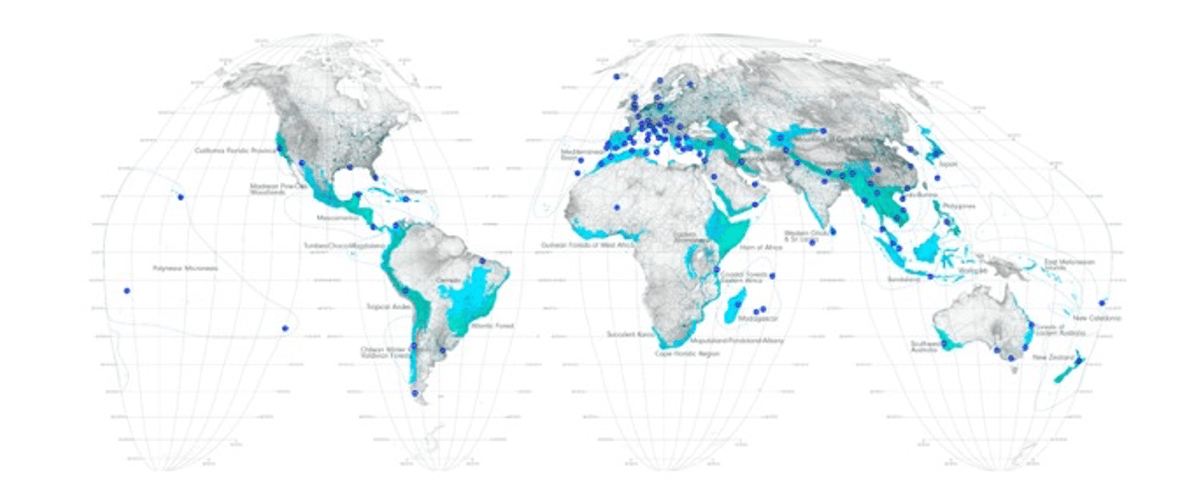
In August 2024, building on my previous research, I completed the first complete geographical map of the turquoise zones. I identified 101 places around the world: large cities, regions, coastlines, islands, knowledge centers: all places where the essence of the blue and green zones meet. In the city of Piran—one of my favorite cities in Slovenian Istria, the first concept took shape. Then, over the following weeks, I analyzed these regions and turquoise hot spots in detail: quality of life, culture, sustainability, climate, innovation, creative economy, urban development, historical role, and geological background.
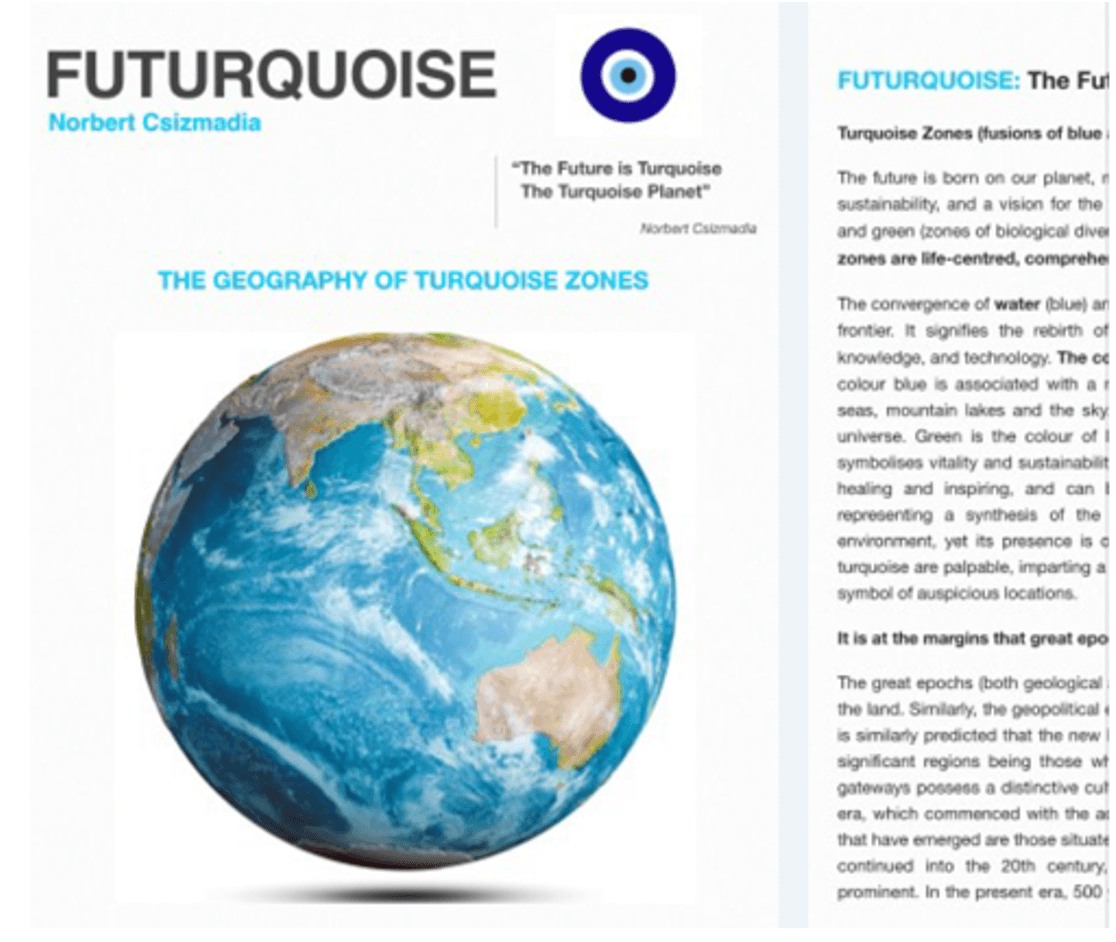
By October, I had completed a 17-page summary, which became a global discussion paper, launched into the digital space. I received a lot of positive feedback, which confirmed that it was worth continuing the research. Then, in January 2025, my 135-page study entitled "The Geography of Turquoise Zones" was completed, along with a 700-page manuscript—perhaps one of the most substantial works of my life. By this time, the idea had become not just research, but a real vision and mission.
Future is turquoise. The future is turquoise.
5. Launching into global space: The turquoise journey to Bali, Bangkok, Baku, Manila, Istanbul, and other cities
I first spoke about the turquoise concept in July 2024 and presented it in Bali at THE Digital Universities Summit. The reception was overwhelmingly positive, and we gave a new voice to the discourse on sustainability. This was followed by the AUAP Global Summit in Manila, then international university lectures, the Global Sustainable Development Congress in Istanbul in June 2025, and then THE Eurasia Universities Summit in Baku, where I felt like I had come home—the turquoise culture of Central Asia had a deep, historical connection to my concept. History, culture, innovation, sustainability, vision for the future, in the corridor of peace.
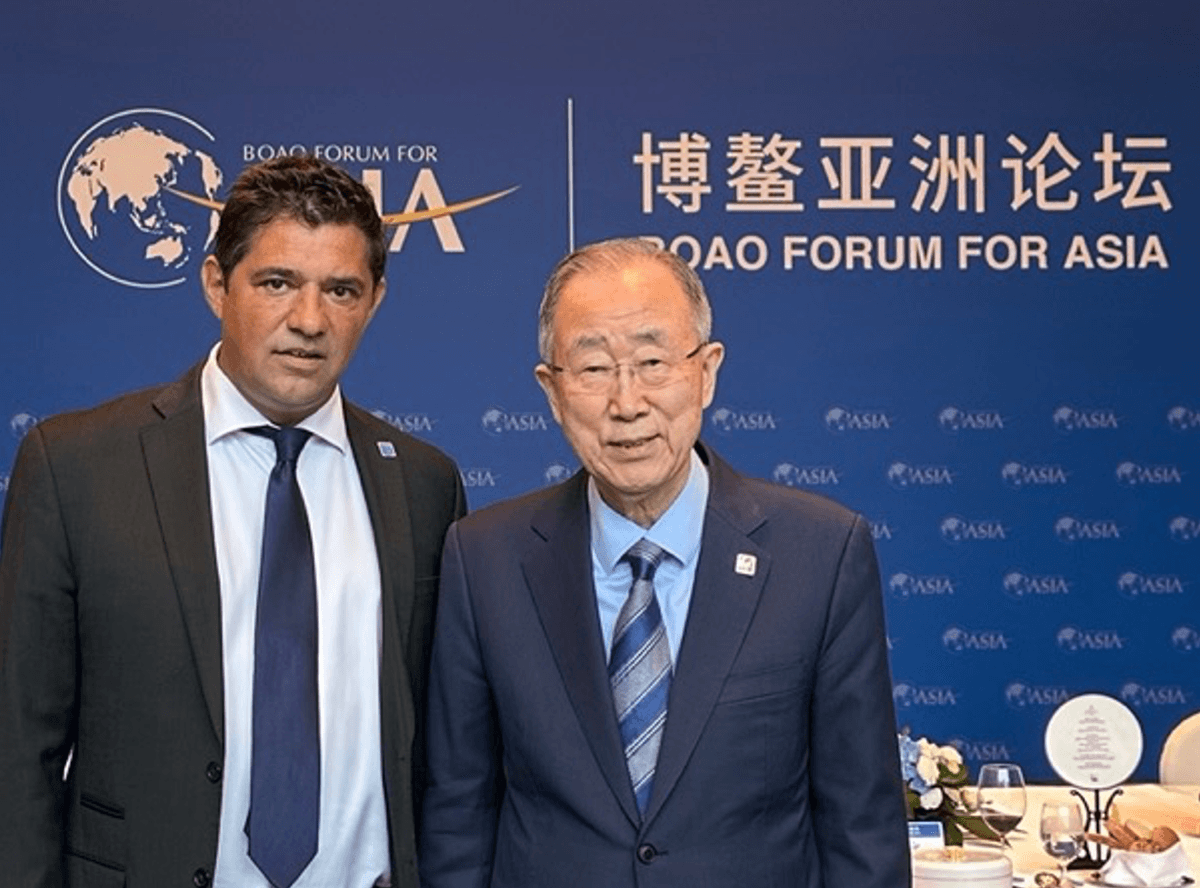
Then, in November 2025, one of my most defining encounters took place: I was able to personally talk about the importance of turquoise zones to Ban Ki-moon, former Secretary-General of the United Nations, President of the BOAO Forum for Asia, and creator of Agenda 2030 and the UN Sustainable Development Goals (SDGs). For him, protecting our planet, peace, and innovative solutions are more important than anything else.
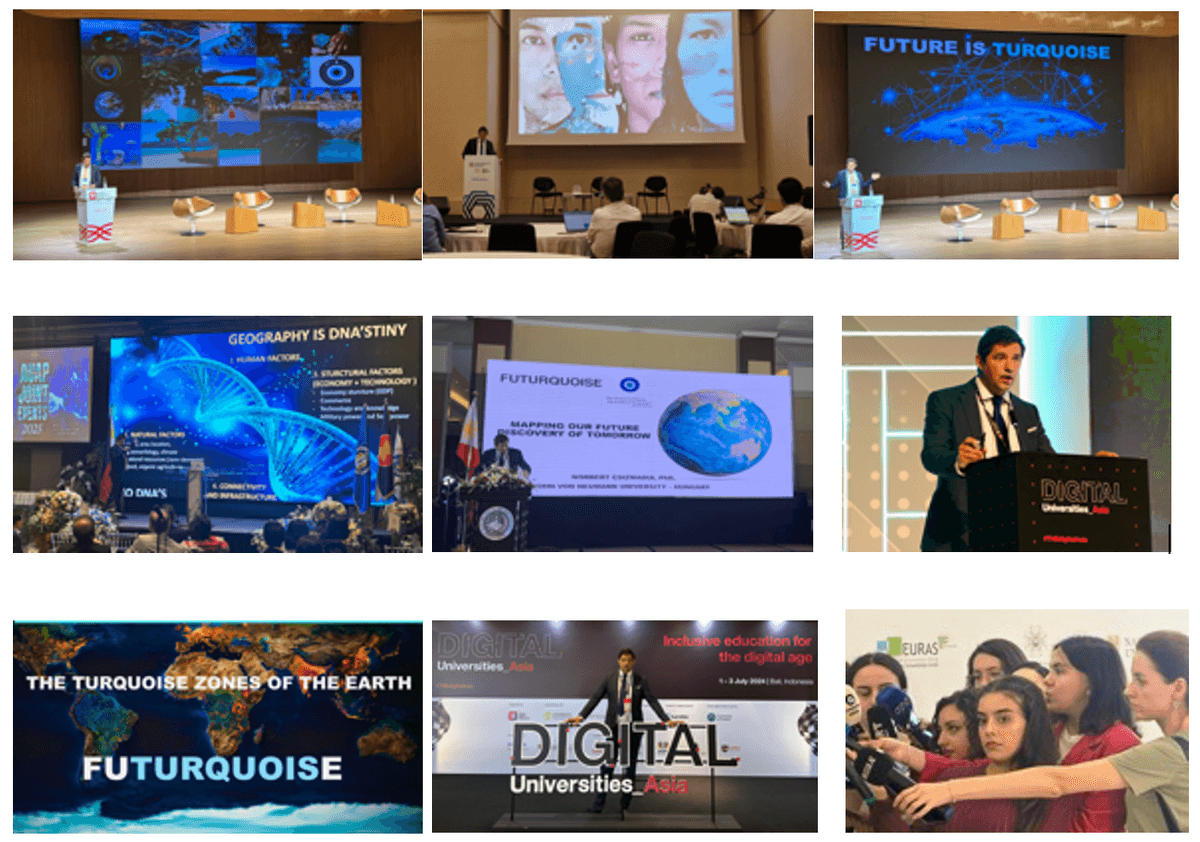
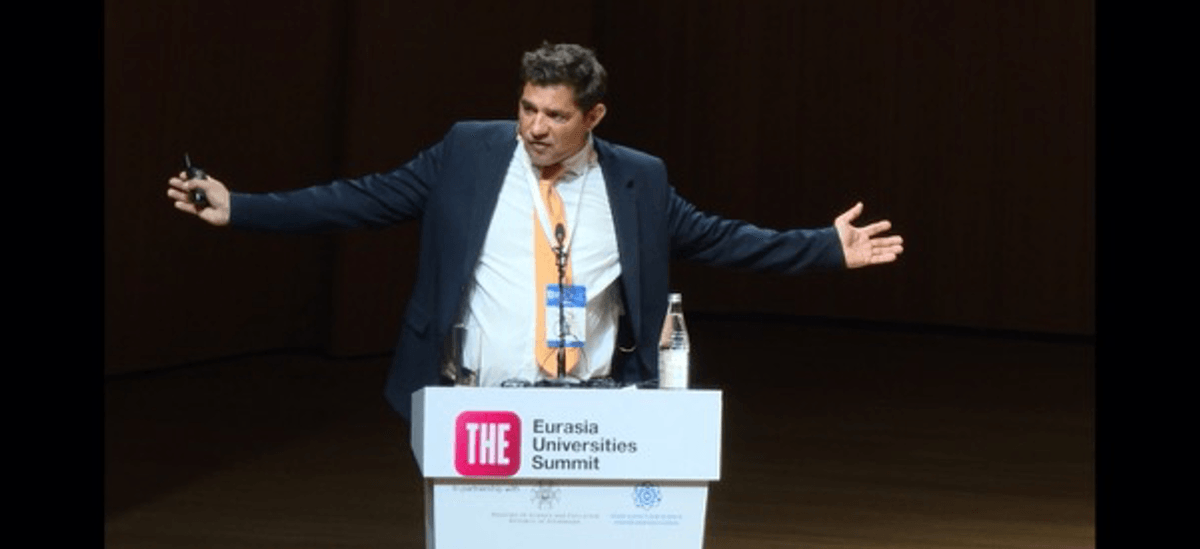
The concept of turquoise zones began to take shape in terms of feedback in Kuala Lumpur and Bangkok and at THE World Academic Summit.
I saw it in people's faces as the idea touched them. I saw the realization. The "wow moment." I realized that everyone actually feels it: technology alone is not enough. Artificial intelligence is important, but it does not solve everything. Culture, ancient knowledge, a holistic approach, complex interrelationships, peace, and sustainable inspiration—these are the true foundations of the future.
6. The Flower of Life symbol and the types of turquoise zones
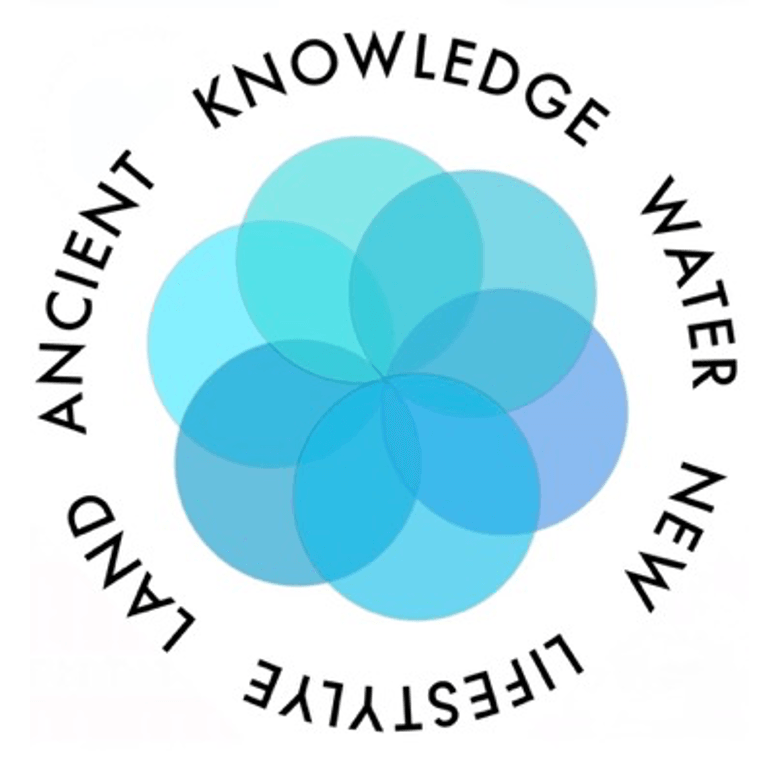
The symbol of the turquoise zones is the "flower of life." This is no coincidence. It is one of the world's oldest and most powerful symbols, expressing order, structure, network, and harmony—exactly what the turquoise zones are meant to represent.
The types of turquoise zones form the six petals of the flower of life:
• ancient trading centers and cities
• new global cities, financial and transportation hubs
• knowledge centers
• and creative cities, design centers, hubs for digital nomads
• coastal destinations
• inland turquoise zones
Anoop Swarup, Secretary General of AUAP, believed in turquoise zones from the very beginning and has emphasized the importance of this concept at numerous international conferences. I knew I wasn't alone.
7. The movement is born – GOT IT and the turquoise world of the future
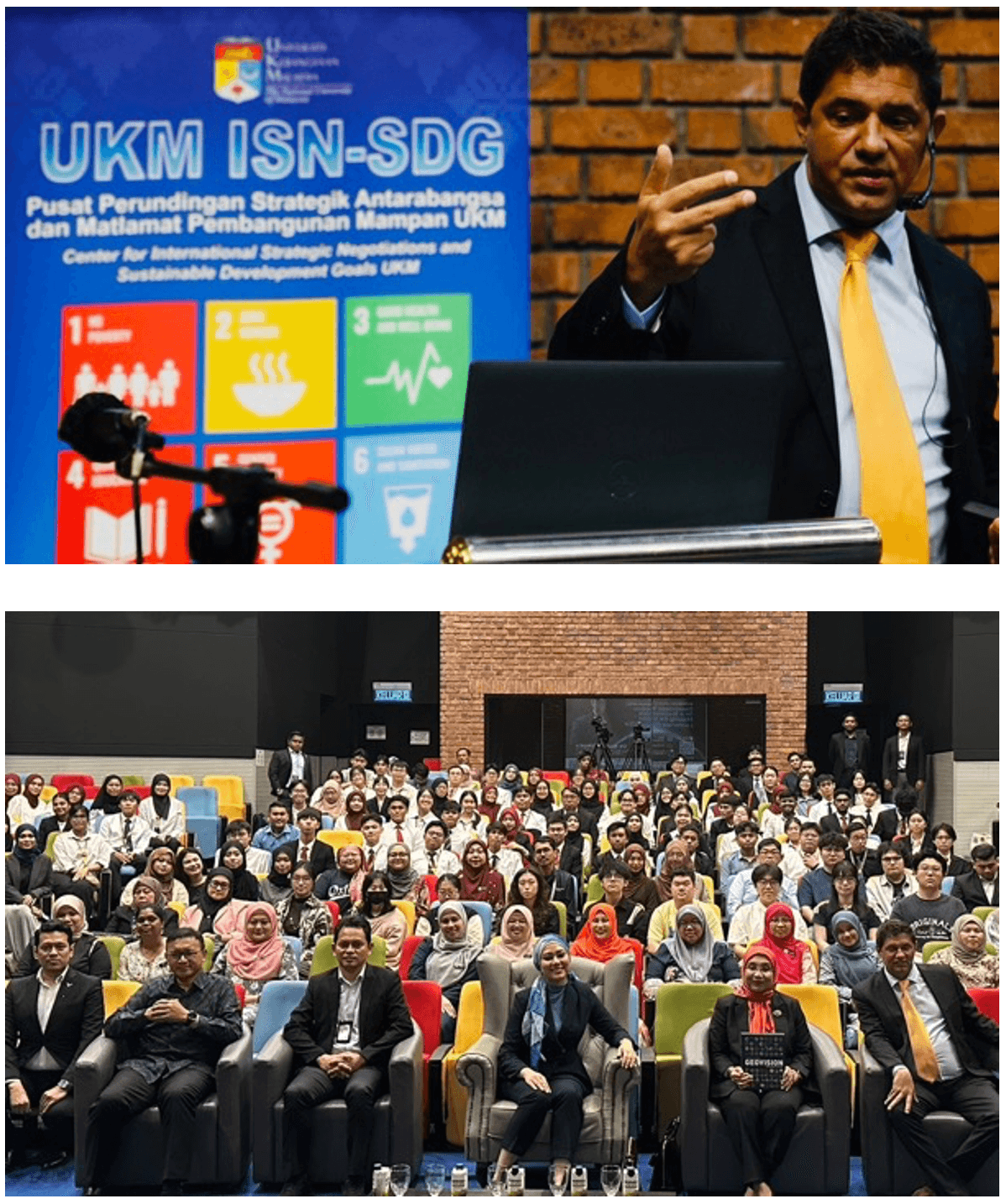
In November 2025, my lecture at the National University of Malaysia (UKM) marked the beginning of the global journey of turquoise zones – on the very day of COP30. Imagine that at the COP global climate summit, there are always blue zones, the venues for official events, and green zones, the spaces for creation, the venues for universities and companies, the venues for showcasing innovations, but there is still a missing link between them – the turquoise zones. Turquoise zones are spaces of sustainability and peace, meeting points of creativity and knowledge, and living spaces of the future.
The idea came to me: we need to create the Geography of Turquoise Institute, or GOT IT for short—a global center for turquoise knowledge.
My goal became clear: to find the 100 most important initiatives in the world that serve the future of peace, sustainability, inspiration, and human well-being.
In 2026, The Geography of Turquoise Zones will be published. This will not be a simple book. It will not only be research. It will be discovery. It will be a journey. It will be a map of a new world.
Because I believe that the turquoise zones are the future that I have discovered, found, and continue to create together, putting them on a global trajectory. It will launch a global and local knowledge revolution, dialogue, and new ways of thinking, answering the question of how we can make our Earth an even better place, how we can protect and preserve its values, passing them on to the next generation.
Because the knowledge of the turquoise zones teaches us how to create a peaceful, inspiring, sustainable world. How to build places where it is good to live. How to become shapers of the future. Because this is no longer just geography, but a worldview, a philosophy of life, and a mission!
And it all started with a single moment. A turquoise color that burned into my retina and has been shining there ever since, invisibly but inspiringly and creatively, making us feel better and more energetic with its positive energy.
"A Hungarian geographer, Norbert Csizmadia – "The Geonomist" – who created the concept of Turquoise Zones.